Maintaining your garage door might not be at the top of your to-do list, but as a responsible homeowner, it’s an essential part of home upkeep that shouldn’t be overlooked. Your role in keeping a well-lubricated garage door not only ensures its smooth operation but also extends its lifespan, saving you from costly repairs down the line. If you’ve ever been startled by the creaks and groans of your garage door, it’s time to give it the attention it deserves.
This comprehensive guide empowers you to properly lubricate your garage door. Whether you’re a DIY enthusiast or someone new to home maintenance, these steps will help you keep your garage door in shape. And if you ever encounter issues beyond lubrication, knowing when to call a professional for garage door repair in San Diego is crucial. By taking an active role in your garage door maintenance, you can ensure its smooth operation and longevity.
Why Lubrication is Essential for Your Garage Door
Your garage door is a complex system of moving parts that work together to lift and lower a heavy door multiple times daily. Over time, these parts can wear out, especially if they’re not properly lubricated. Lubrication reduces friction, prevents rust, and ensures smooth operation, extending the life of your garage door.
Common Problems Caused by Poor Lubrication
When your garage door isn’t adequately lubricated, you might notice a few common issues:
Noisy Operation: Squeaks, rattles, and grinding noises are often the first signs that your garage door needs lubrication.
Slow or Jerky Movements: Lack of lubrication could be the culprit if your garage door moves slowly or gets stuck.
Increased Wear and Tear: Without proper lubrication, the metal parts of your garage door can wear down more quickly, leading to more frequent repairs or even the need for a garage door replacement in San Diego.
Regularly lubricating your garage door can avoid these problems and ensure that your door operates smoothly and quietly.
What You’ll Need: The Right Tools and Supplies
Before you start lubricating your garage door, gathering the right tools and supplies is important. Using the correct products will make the process easier and more effective.
Essential Tools and Products
Here’s a list of what you’ll need:
Garage Door Lubricant: Use a lubricant specifically designed for garage doors. Avoid using WD-40, as it’s more of a degreaser than a lubricant. Instead, opt for a silicone-based spray or white lithium grease, which is excellent for lubricating metal parts.
Clean Rags: These are necessary for removing dirt or old grease before applying new lubricant.
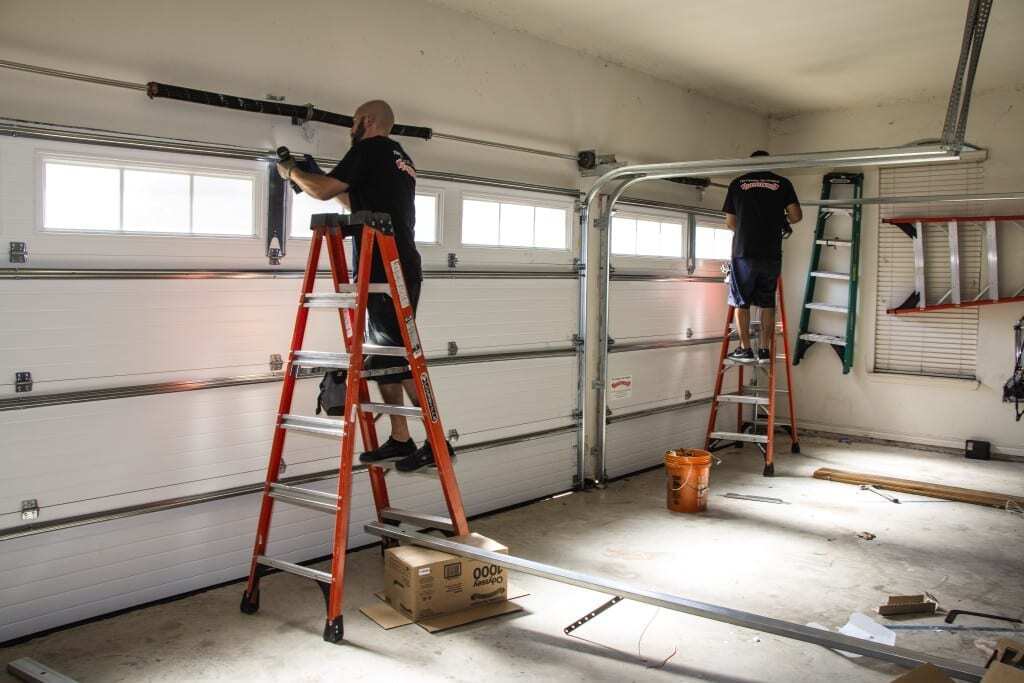
A Step Ladder: A ladder will help you reach the higher parts of your garage door system, such as the tracks and springs.
Protective Gloves: Gloves protect your hands from getting greasy and help you better grip tools and spray cans.
Safety Precautions
Before you begin, ensure your garage door is closed and disconnected from the opener. This prevents the door from moving while you’re working on it. If you need clarification on any part of the process, contact a San Diego garage door repair professional to avoid injury or damage.
Step-by-Step Guide to Lubricating Your Garage Door
Now that your tools are ready, let’s dive into the step-by-step process of lubricating your garage door. Follow these steps to ensure every part is well-maintained.
1) Clean the Tracks
The first step is to clean the tracks where your garage door rollers move. While you don’t lubricate the tracks, keeping them clean is essential for smooth operation.
How to Do It: Use a damp cloth to wipe down the tracks and remove dust, dirt, or debris. You can use a mild household cleaner if there’s any stubborn grime. Make sure the tracks are completely dry before proceeding.
2) Lubricate the Hinges
The hinges are the small joints that allow your garage door panels to bend as the door opens and closes. Keeping them lubricated is key to a quiet, smooth operation.
How to Do It: Spray a small amount of lubricant on each hinge, then move the door manually to work the lubricant into the joint. Be careful not to over-lubricate, as this can attract dust and dirt.
3) Lubricate the Rollers
The rollers are what allow your garage door to glide up and down the tracks. Over time, they can become dry and noisy, so it’s important to lubricate them regularly.
How to Do It: Spray lubricant on the rollers, focusing on the bearings inside. Rollers with nylon wheels need less lubrication, but the bearings still require attention. Avoid getting lubricant on the tracks, which can cause the door to slip.
4) Lubricate the Springs
The springs are under a lot of tension and play a crucial role in lifting the heavy garage door. Lubricating the springs can prevent them from becoming brittle and breaking.
How to Do It: Carefully spray lubricant on the springs, ensuring even coverage. After applying the lubricant, open and close the garage door a few times to work the lubricant into the springs. Be cautious, as the springs are under high tension, and mishandling could be dangerous.
5) Lubricate the Bearings and Pulleys
The bearings and pulleys are part of the garage door’s lifting mechanism and must be lubricated to reduce friction and ensure smooth operation.
How to Do It: Apply a small amount of lubricant to the pulleys and bearings. Move the door manually to distribute the lubricant evenly.
6) Lubricate the Lock and Armbar
Finally, remember to lubricate the lock and armbar of your garage door. This will ensure that your door locks and unlocks easily and that the armbar moves smoothly.
How to Do It: Spray a little lubricant on the lock mechanism and the armbar. Use your key to turn the lock a few times to spread the lubricant inside the lock.
When to Call a Professional for Garage Door Repair in San Diego
While regular lubrication is crucial to garage door maintenance, it’s not a cure-all. If you notice issues that lubrication doesn’t solve, it’s comforting to know that professional help for garage door repair in San Diego is just a call away. Their expertise can provide the reassurance you need for a fully functional garage door.
Signs You Need Professional Help
Persistent Noises: If your garage door remains noisy after lubrication, there could be a deeper issue, such as worn-out parts or misalignment.
Uneven Movement: If your garage door moves unevenly or gets stuck, the problem might be with the springs, cables, or tracks. These components require professional attention.
Visible Damage: Any visible damage, such as frayed cables or cracked springs, should be addressed by a professional immediately. Attempting to repair these parts yourself can be dangerous.
The Benefits of Professional Garage Door Services
A professional garage door repair service in San Diego can diagnose and fix issues you might need to notice. They have the expertise to handle complex repairs safely and effectively, ensuring your garage door operates smoothly for years to come.
In some cases, a complete garage door replacement in San Diego might be necessary, especially if your door is old or severely damaged. A new garage door can improve your home’s curb appeal, increase security, and provide better insulation.
Conclusion
Proper lubrication is essential for keeping your garage door in top condition. By following the steps outlined in this guide, you can prevent common problems and extend the life of your garage door. However, if you encounter issues beyond what lubrication can fix, contact a professional for garage door installation in San Diego or repair services.
Regular maintenance, combined with the expertise of a trusted San Diego garage door repair company, will ensure that your garage door continues to operate smoothly and efficiently. For more tips and professional services, visit All In One Garage Door. Keep your garage door well-maintained, and will serve you well for many years!